Mandala designs are admired for their repeating patterns, balanced shapes, and intricate details. They appear in a variety of artistic and cultural contexts, and many people enjoy using mandala-inspired artwork for coloring, quiet reflection, decoration, and creative relaxation. AI image generators make it easier to explore different mandala styles without drawing every line by hand. By describing shapes, colors, complexity, and mood, you can create digital designs suited to meditation rooms, journals, printable coloring pages, wallpapers, or personal art collections.
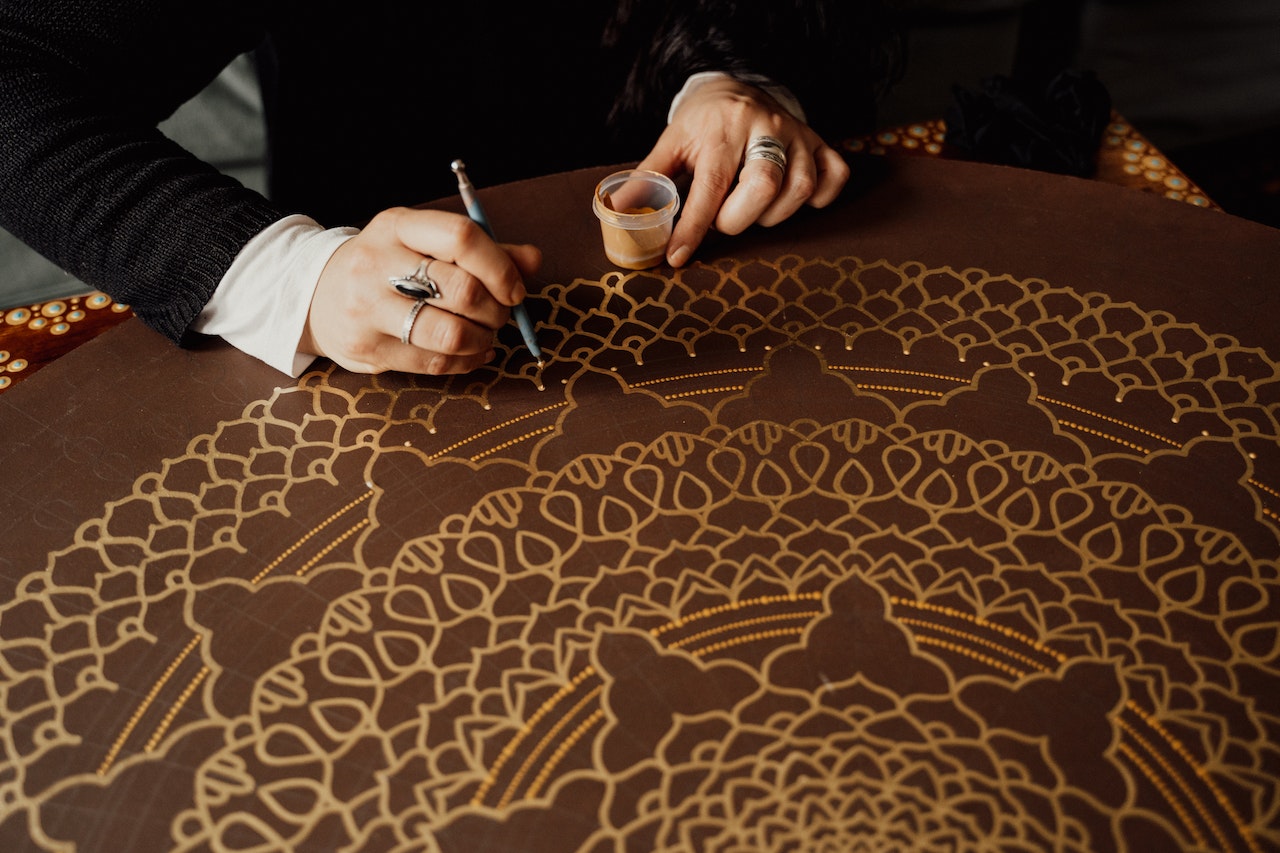
Mandala artwork has different meanings across cultures and spiritual traditions. A modern AI-generated mandala may be inspired by geometric symmetry without representing a traditional religious design. Understanding that distinction helps creators develop attractive artwork while respecting the origins of the imagery they use.
What Makes Mandala Art Suitable for Relaxation
Mandala art often features a central point surrounded by repeating shapes, circles, petals, and decorative details. The structured arrangement can give viewers a clear visual path to follow, while the repeating elements create a sense of rhythm. Some people find drawing, coloring, or quietly observing these patterns enjoyable as a leisure activity. However, mandalas should not be presented as a guaranteed treatment for stress, anxiety, or other health conditions.
AI tools can generate both simple and highly detailed patterns, allowing you to choose a design that suits your preferences. A beginner may enjoy broad shapes and generous empty spaces, while an experienced artist may prefer fine lines and complex layers. The best design is one that feels comfortable to look at and easy to use for its intended purpose.
20 AI Mandala Design Ideas
<PRIVATE_PERSON>1. Lotus Flower Mandala
Create a symmetrical mandala inspired by lotus petals arranged in several circular layers. Use soft pink, cream, and muted green for a gentle appearance. This design works well for journal covers, meditation room prints, and decorative wallpapers.
- Minimalist Black and White Mandala
Generate a clean mandala using thin black lines on a white background. Keep the center simple and use repeating geometric shapes around the outer rings. The uncluttered style is suitable for printable coloring pages and people who prefer understated designs.
- Ocean Wave Mandala
Combine curved wave shapes, small shells, and flowing lines in a circular pattern. Use shades of blue, turquoise, and white to create a visual connection with the sea. This design may suit coastal-inspired rooms or digital backgrounds.
- Floral Garden Mandala
Build a circular arrangement from daisies, leaves, small blossoms, and delicate vines. A palette of lavender, sage green, pale yellow, and cream can give the artwork a fresh botanical appearance. Ask the generator to maintain clear symmetry while preserving the natural character of the flowers.
- Celestial Moon Mandala
Create a mandala that incorporates crescent moons, tiny stars, circular orbit-like lines, and decorative dots. Deep navy and violet can provide a nighttime atmosphere, while small golden details create contrast. This concept works well for fantasy-inspired art and evening-themed wallpapers.
- Geometric Triangle Mandala
Use repeating triangles, diamonds, and circles to create a precise geometric composition. Request consistent spacing, crisp outlines, and a centered arrangement. This style is suitable for modern interiors and designs that emphasize structure.
- Forest Nature Mandala
Arrange leaves, branches, ferns, and small flowers in balanced circular layers. Use earthy green, brown, and warm cream tones. The result can support a nature-inspired art collection or a quiet reading space.
- Pastel Watercolor Mandala
Combine symmetrical floral shapes with soft watercolor textures and gentle color transitions. Pale blue, peach, lilac, and pink can create an airy look. Request subtle pigment variation while keeping the central geometry recognizable.
- Sunrise Mandala
Build a circular design around a rising sun, with radiating lines and layered ornamental shapes. Warm orange, gold, coral, and pale yellow can suggest the light of early morning. This concept may be appropriate for planners, motivational artwork, and daily reflection journals.
- Intricate Lace Mandala
Generate a detailed design inspired by decorative lace, using delicate loops, fine curves, and repeating floral motifs. A black-and-white version is useful for coloring, while a cream-and-gold palette can create a more ornamental appearance.
- Butterfly Mandala
Integrate butterfly wings into a symmetrical circular composition, surrounding the center with smaller wing patterns and floral details. Choose a limited palette so the wings remain visually distinct. This design can symbolize change or renewal in a contemporary artistic interpretation.
- Desert Sand Mandala
Use flowing dune-like curves, sun-inspired circles, and simple geometric forms to create a desert-themed mandala. Sand, terracotta, muted gold, and deep brown can produce a warm, earthy palette. Keep the details balanced to avoid making the design appear crowded.
- Rainbow Mandala
Create repeating rings with carefully arranged rainbow colors. Ask for smooth transitions and clearly separated shapes so the design remains readable. A rainbow mandala can add a lively accent to a creative workspace or personal journal.
- Mountain Landscape Mandala
Combine stylized mountain peaks, small trees, stars, and circular lines within a balanced mandala structure. Use cool blues, muted greens, and soft gray tones. This concept is useful for people who enjoy outdoor themes and landscape-inspired decoration.
- Golden Metallic Mandala
Generate a detailed gold-colored pattern against a dark charcoal or navy background. Emphasize fine lines, layered petals, and controlled highlights rather than excessive glow. This approach can create a sophisticated decorative print or digital background.
- Mandala With Heart Shapes
Arrange small heart motifs between repeating petals and circles. Choose rose, cream, burgundy, or soft pink for a warm appearance. This design can work for greeting cards, personal gifts, and journal decorations.
- Winter Snowflake Mandala
Combine snowflake-inspired geometry with crystalline lines and repeated six-pointed forms. Use white, pale blue, and silver-gray against a dark background. The design is suitable for seasonal decorations and winter-themed digital art.
- Simple Mandala for Beginners
Ask the generator for large petals, broad spaces, a clear center, and only a few decorative layers. Use simple outlines and avoid tiny details. This format is especially practical for printable coloring pages and anyone who prefers an uncomplicated visual activity.
- Cosmic Galaxy Mandala
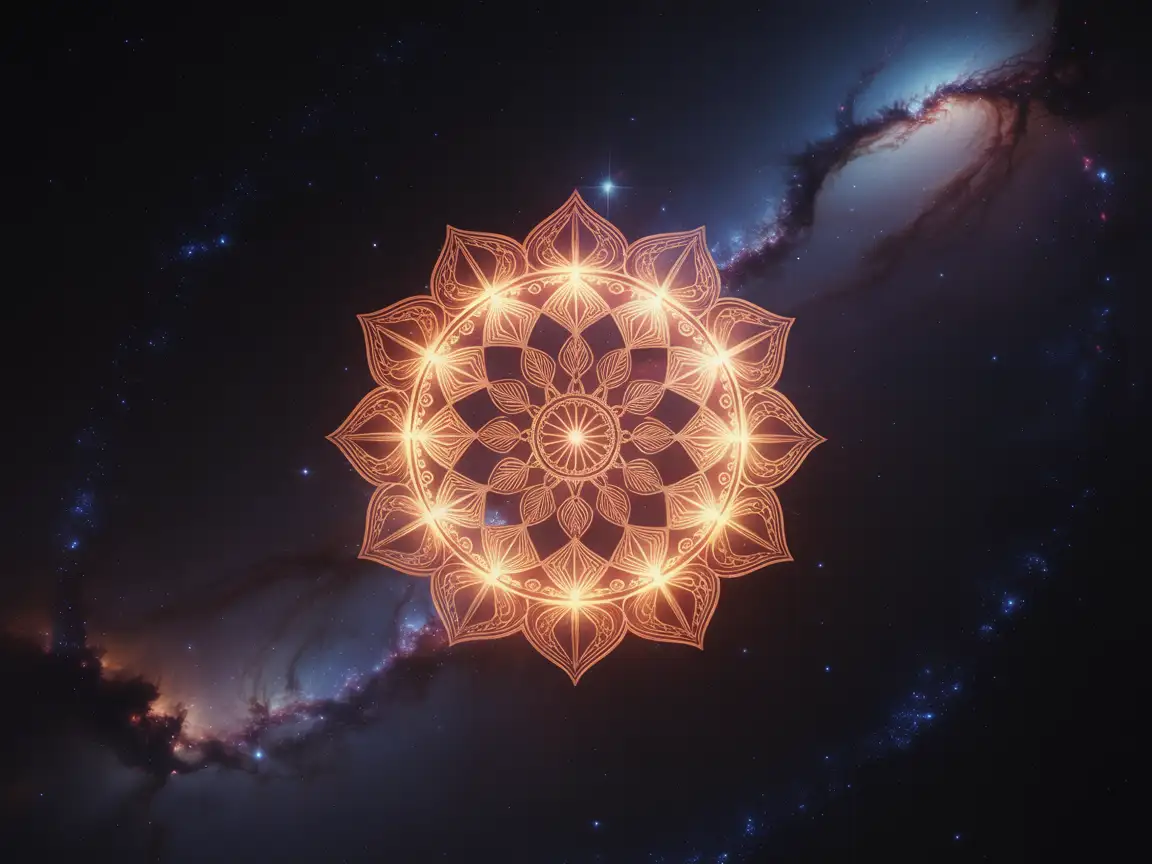
Mix circular geometry with nebula-inspired color, star-like dots, and subtle gradients. Purple, blue, and magenta can create a cosmic appearance. Keep the geometric structure clear so the image remains recognizably a mandala rather than an ordinary galaxy scene.
- Personalized Symbol Mandala
Build a mandala around a meaningful non-sensitive symbol, such as a tree, a book, a musical note, or a favorite flower. Repeat related shapes around the center and select colors that match the intended mood. This approach creates artwork with a personal theme while leaving room for individual interpretation.
How to Write Effective Mandala Prompts
A useful prompt identifies the mandala style, main shapes, color palette, level of detail, background, and final purpose. For example, request a symmetrical floral mandala with eight layers of petals, fine black outlines, generous white space, and clean vector-style lines designed for a printable coloring page. This gives the generator clear instructions about both appearance and practical use.
For a colored design, specify whether you want flat colors, watercolor textures, metallic effects, or soft gradients. If the result is too crowded, ask for fewer rings and larger spaces. If the pattern lacks symmetry, emphasize a centered circular composition and evenly repeated shapes. You may need several generations to achieve clean geometry.
Choosing the Right Design for Your Space
The intended display should influence your choice. A bedroom may suit a soft pastel design, while a home office may benefit from simple black-and-white geometry or restrained metallic details. A meditation corner might look harmonious with nature-inspired colors and a central floral pattern. For digital devices, choose a composition that leaves space around important interface elements.
Before printing, check the image resolution and aspect ratio. A square design often works well for mandalas, but wall art may require a different crop. Review fine lines at full size because some AI-generated patterns contain broken connections, irregular spacing, or details that become unclear when printed.
Using Mandalas for Mindful Creative Activities
Some people enjoy coloring a mandala slowly, paying attention to each shape and color choice. Others prefer sketching patterns, comparing generated variations, or using a finished image as a quiet visual focus. These activities can provide a structured creative break, although individual experiences vary. Choose a complexity level that feels enjoyable rather than demanding, and take breaks when needed.
You can also create a collection with a consistent theme, such as botanical mandalas for each season or geometric patterns in a limited palette. Saving your prompts allows you to repeat the style while experimenting with different subjects.
Copyright and Responsible Use
Before sharing or selling AI-generated mandalas, check the image generator’s licensing terms and the requirements of your publishing platform. Avoid directly copying an existing artist’s distinctive artwork or reproducing protected logos. If you plan to sell coloring books or prints, inspect every image for visual errors and confirm that the resolution is suitable for production.
Conclusion
AI mandala generation offers an accessible way to experiment with symmetry, color, geometry, and creative expression. From lotus-inspired patterns to cosmic designs and simple coloring pages, these twenty ideas provide a starting point for artwork suited to different preferences and spaces. Clear prompts, careful editing, and thoughtful color choices can improve the results. Whether you use mandalas for decoration, coloring, or quiet reflection, the most useful design is one that fits your purpose and makes the creative process enjoyable.