AI image generators have opened new possibilities for creating spiritual artwork that combines meaningful symbols, geometric patterns, natural elements, and imaginative visual styles. Whether someone wants to design a peaceful meditation background, create decorative wall art, or explore the relationship between geometry and spirituality, artificial intelligence can help transform creative ideas into detailed images. By choosing suitable symbols, colors, compositions, and artistic techniques, beginners and experienced creators can develop artwork that feels personal, thoughtful, and visually balanced.
Understanding AI Spiritual Art
AI spiritual art is a broad category of digital artwork inspired by spirituality, contemplation, cultural traditions, nature, and symbolic imagery. It may include glowing geometric shapes, celestial scenes, lotus flowers, radiant circles, abstract patterns, and peaceful landscapes. Some designs draw inspiration from established religious or philosophical traditions, while others explore spirituality through personal interpretation and imagination. AI tools can generate these images from written prompts, allowing creators to experiment with styles without needing advanced drawing skills. However, spiritual art does not have one universal meaning. The interpretation of a symbol or design can vary according to cultural background, personal beliefs, and the context in which the artwork is used.
Exploring Sacred Geometry in Digital Artwork
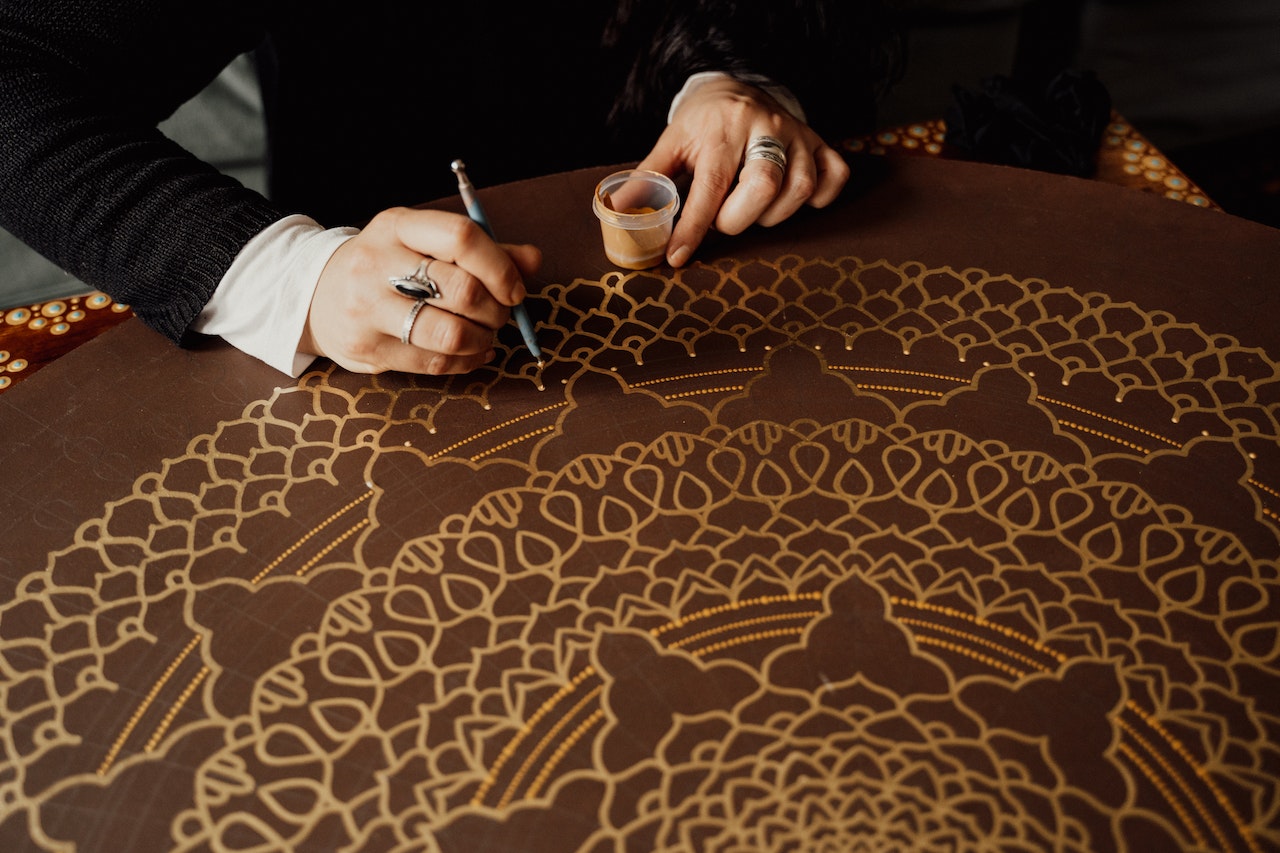
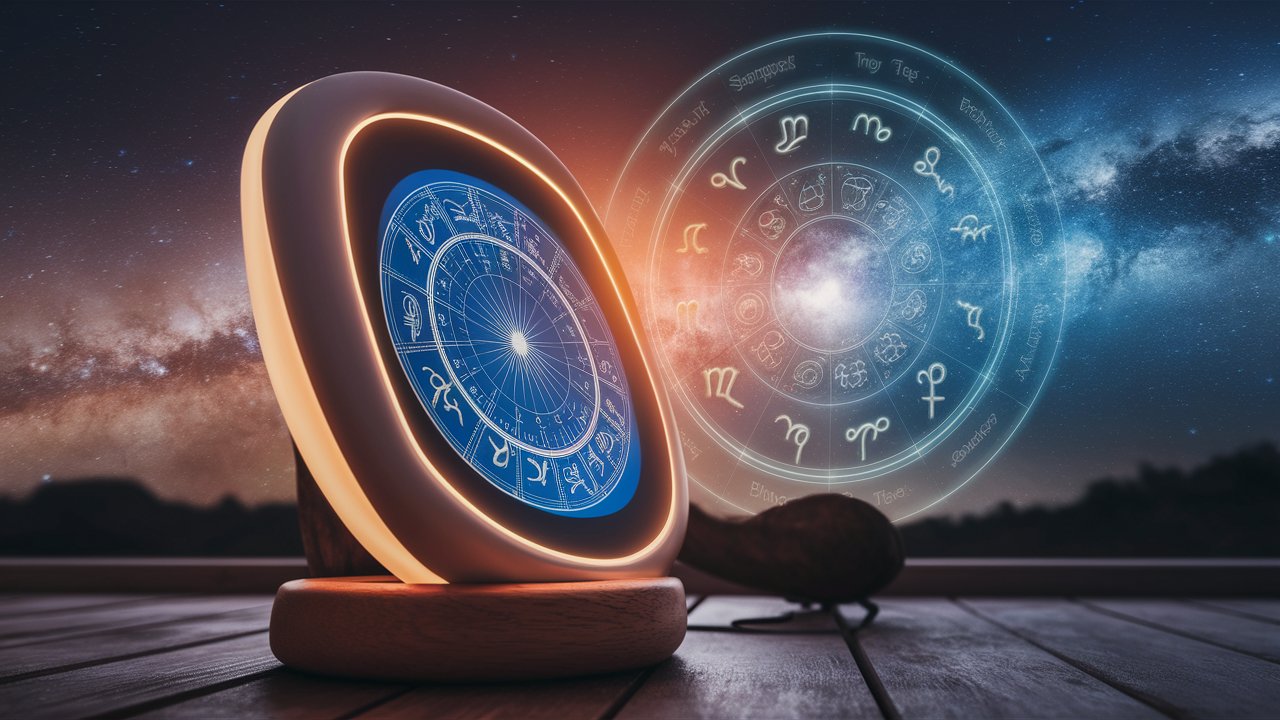
Sacred geometry refers to geometric shapes and patterns that have spiritual, philosophical, or symbolic significance in particular traditions. Circles, triangles, spirals, symmetrical grids, and repeating patterns frequently appear in discussions of sacred geometry. Some contemporary spiritual artwork also incorporates forms such as the Flower of Life and elaborate mandala patterns. These designs can create a sense of structure, rhythm, and visual harmony. AI image generators are especially useful for experimenting with repeating shapes and complex compositions that might otherwise take considerable time to draw manually. Creators should remember that geometric patterns do not possess universally established spiritual powers, and their meanings depend on the traditions or interpretations associated with them.
Choosing Symbols for Your Artwork
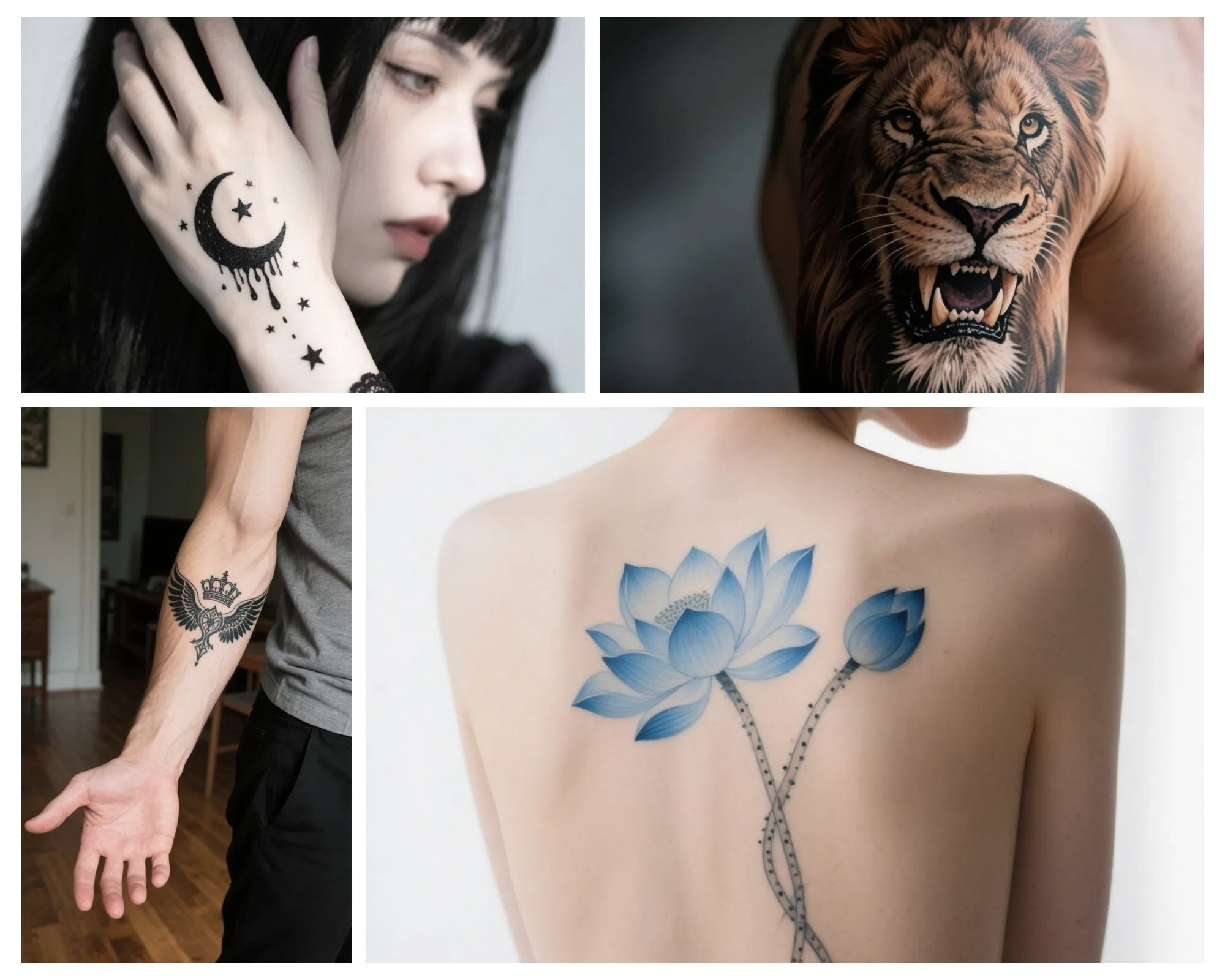
The symbols you choose will strongly influence the character of your image. A lotus flower may be used to represent growth, renewal, or spiritual development in artwork inspired by certain Asian traditions. A circle can suggest unity or continuity, while a spiral may evoke movement, transformation, or the cycles of nature. Stars, moons, mountains, trees, and flowing water can also contribute to a contemplative atmosphere. When using symbols connected to a particular religion or culture, research their background instead of relying entirely on assumptions. This approach helps you create more respectful and informed artwork while giving your designs a clearer purpose.
Writing Effective AI Image Prompts
A strong prompt describes the subject, composition, visual style, lighting, colors, and level of detail you want. Rather than entering a broad phrase such as spiritual art, explain the specific image you imagine. For example, you could request a luminous circular geometric pattern surrounded by delicate lotus petals, soft golden light, deep indigo tones, and a calm symmetrical composition. If you prefer a natural atmosphere, describe a quiet forest with a radiant geometric design formed from subtle light. Include details about the background and the intended mood so the generator has enough direction to produce a coherent result.
You can also use a negative prompt if your chosen tool supports one. This may help reduce unwanted elements such as distorted symbols, excessive decorative details, asymmetrical patterns, blurry edges, or unintended text. Different generators interpret prompts differently, so treat the first result as a starting point rather than a finished design.
Selecting Colors That Support the Mood
Color influences how viewers experience spiritual artwork. Blue and violet are often used in contemporary meditation designs because they can create a quiet, reflective atmosphere. Gold can introduce warmth and visual emphasis, while green may connect the image with nature and renewal. White and cream can make a composition feel light and uncluttered. These associations are artistic conventions rather than universal psychological rules, so choose colors according to your intended message and audience.
A balanced palette usually works better than using every available color at once. Select two or three dominant colors, then introduce a contrasting accent where necessary. For example, a dark navy background with fine gold geometry can create a dramatic design, while pale green, cream, and soft blue can produce a gentler result.
Creating Balanced and Symmetrical Compositions
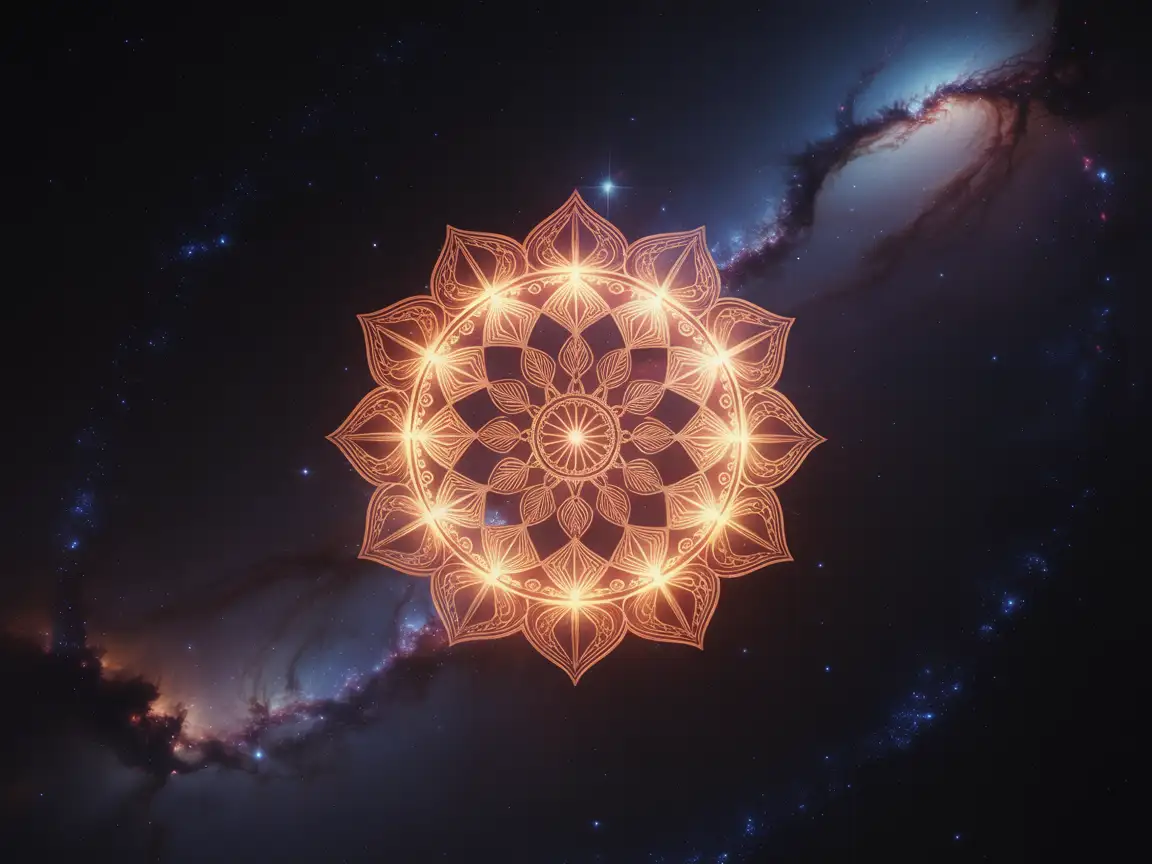
Composition is especially important when working with geometric spiritual art. A central subject can provide a clear focal point, while symmetrical elements create a structured appearance. You might place a glowing circle in the middle of the image, surround it with repeating petals, and use a simple background to prevent visual clutter. Alternatively, an asymmetrical design featuring a tree, moon, and geometric light patterns may feel more organic.
Ask the image generator for clean edges, consistent repeating shapes, balanced spacing, and clear separation between the foreground and background. Because AI systems sometimes struggle with precise geometry, inspect the final image carefully. If a pattern contains uneven lines or inconsistent shapes, regenerate it with a simpler prompt or correct it in an image editor.
Popular Styles for AI Spiritual Artwork
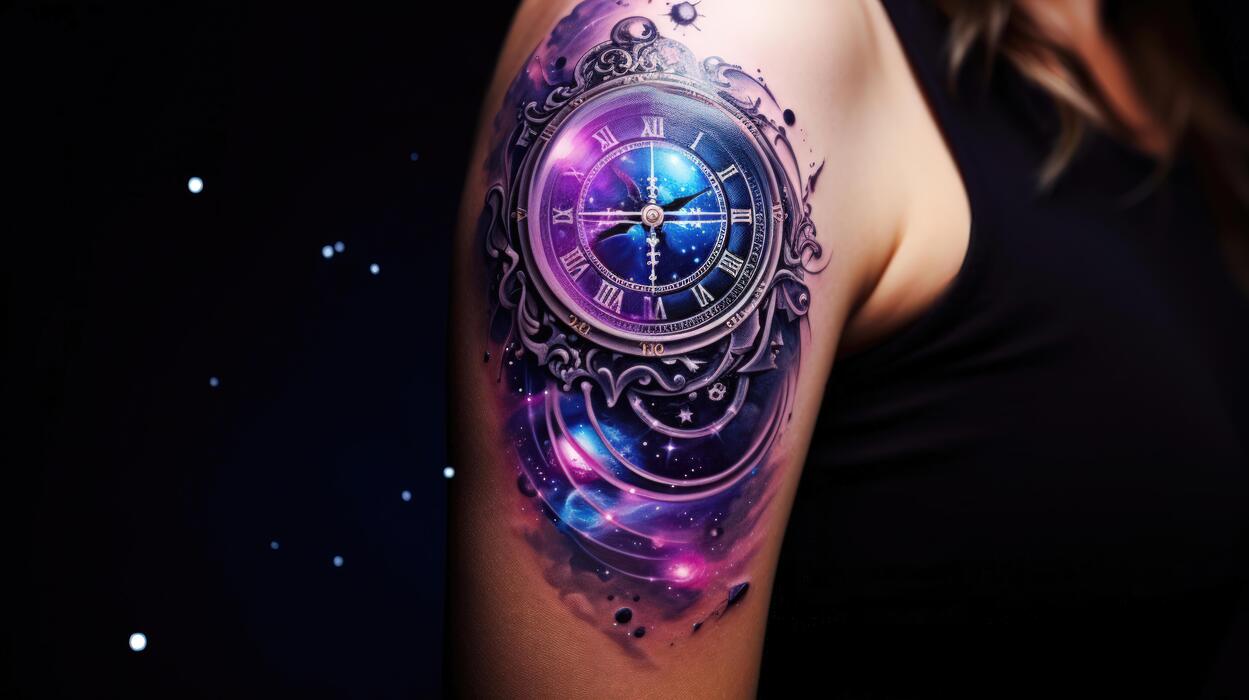
Several artistic approaches can help you develop a distinctive collection. Minimalist spiritual art uses a small number of shapes and colors to create an uncluttered image. Cosmic spiritual art combines stars, galaxies, glowing circles, and celestial backgrounds. Botanical spiritual art brings together flowers, leaves, trees, and geometric patterns. Abstract spiritual art uses color, light, texture, and shapes without depending on recognizable religious imagery.
You can also experiment with watercolor textures, fine-line illustration, metallic effects, stained-glass inspiration, or detailed digital painting. When building a collection, keep one or two visual elements consistent across images. A shared palette or recurring geometric motif can make separate designs feel connected without making them identical.
Using AI Spiritual Art for Meditation Spaces
Spiritual artwork is often used to decorate meditation rooms, reading corners, yoga spaces, and quiet areas in the home. A peaceful image can contribute to the visual atmosphere of a room, especially when its colors and composition complement the surrounding environment. Soft gradients, simple circular patterns, nature-inspired symbols, and restrained lighting may be suitable choices for these settings.
Consider the viewing distance and display format before generating an image. A large wall print needs sufficient resolution and clear details, while a phone wallpaper should place important elements away from areas covered by interface icons. If the artwork is intended for a printed product, check the generator’s export settings and use an image editor to prepare the correct dimensions.
Respecting Cultural and Religious Traditions
Spiritual imagery can be meaningful to people and communities, so responsible design requires attention to context. Some symbols are connected to sacred practices, specific religious teachings, or cultural histories. Before incorporating them into artwork, learn how they are traditionally used and whether they are appropriate for your intended purpose. Avoid combining unrelated sacred symbols simply because they look attractive, especially when the resulting image could misrepresent a tradition.
If your project is intended for a public audience, consider providing a brief explanation of your artistic inspiration. Be clear when a design is a modern interpretation rather than an authentic historical or religious representation. Respectful research can make your artwork more informative and help viewers understand the choices behind its creation.
Improving and Refining AI-Generated Images
The first generation may not match your vision perfectly. Instead of rewriting the entire prompt, identify the specific problem and adjust one or two details. If the image looks crowded, request fewer decorative elements and more negative space. If the geometry is unclear, emphasize precise symmetry and simple repeating shapes. If the lighting overwhelms the subject, ask for softer illumination and more restrained highlights.
Generate several variations when possible, then compare them according to composition, clarity, color balance, and suitability for the intended use. You can use editing tools to correct minor flaws, crop the image, adjust contrast, or add carefully selected typography. Always review the finished artwork at full size before publishing or printing it.
Understanding Copyright and Commercial Use
Before selling or publishing AI-generated spiritual art, review the terms of the image generator you used. Commercial permissions, attribution requirements, and restrictions vary between platforms and account types. Avoid requesting direct copies of existing artworks or using protected designs without permission. Also consider whether the final image includes recognizable trademarks, copyrighted characters, or other material that may create legal concerns.
Keep records of your prompts and editing process when producing work for a business or client. If you intend to sell prints, digital downloads, or merchandise, verify that your chosen platform permits the intended use and that the image meets its technical requirements. Rules governing AI-generated content and intellectual property can differ by jurisdiction.
Conclusion
Creating AI spiritual art with symbols and sacred geometry is an accessible way to explore visual storytelling, personal reflection, and decorative design. By selecting meaningful imagery, writing detailed prompts, choosing a coherent color palette, and refining geometric patterns, you can produce artwork that feels intentional rather than random. Researching cultural symbolism and reviewing commercial permissions also helps you approach the process responsibly. With practice and thoughtful experimentation, AI can become a useful creative assistant for developing spiritual artwork that reflects your ideas and artistic preferences.