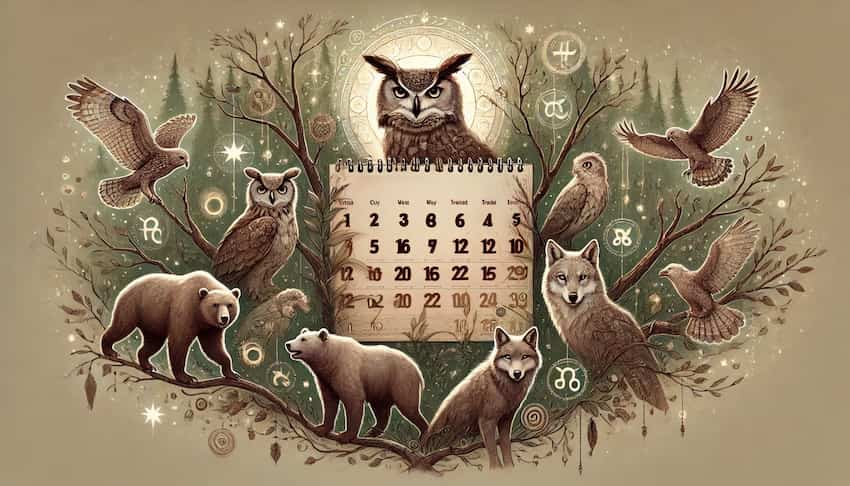
Ancient legends contain countless imaginative beings, from mysterious guardians and shape-shifting spirits to enormous sea monsters and hybrid animals. These creatures were used in stories to explain unfamiliar events, express cultural values, warn against danger, or explore the boundaries between the natural and supernatural worlds. Today, AI image generators allow artists and fantasy enthusiasts to reinterpret these ideas visually and develop original creatures inspired by traditional storytelling.
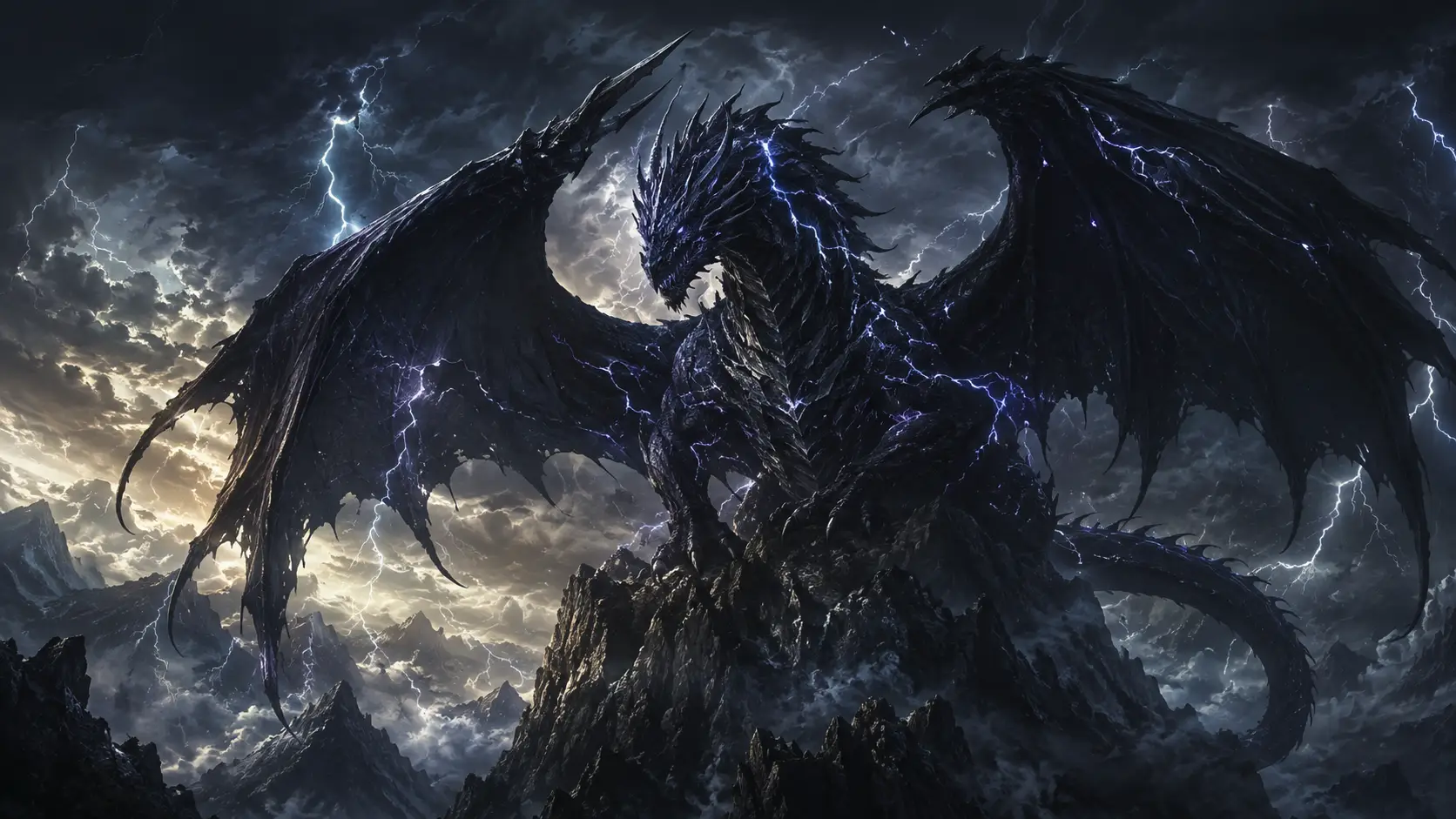
Creating an AI fantasy creature can be as simple as describing a winged animal in an enchanted forest or as detailed as developing a new species with a specific habitat, anatomy, behavior, and cultural background. The most interesting designs often combine a recognizable concept with original features. Rather than asking for a generic monster, you can build a creature around a story, an environment, or a symbolic idea.
This guide explains how to develop distinctive AI fantasy creatures while drawing inspiration from ancient legends responsibly. It includes prompt-writing techniques, creative examples, and practical ways to improve the resulting images.
What Makes a Fantasy Creature Inspired by Ancient Legends
A fantasy creature inspired by ancient legends draws on traditional stories, mythological beings, cultural symbols, or historical ideas about supernatural life. Some designs reinterpret recognizable figures, such as dragons, griffins, and sea serpents. Others combine broader themes, such as a guardian of a sacred forest or a spirit associated with a remote mountain.
There is an important difference between adapting a known mythological creature and inventing an entirely new being. If you are creating a dragon based on a specific tradition, research that tradition’s descriptions and symbolism. If you are inventing an original creature, you have more freedom to choose its appearance, behavior, and role in your fictional world.
A compelling creature usually has a clear visual identity. It may have a distinctive silhouette, unusual skin texture, recognizable eyes, special limbs, or a unique relationship with its environment. These features help the image stand out from generic fantasy artwork.
Step One. Choose an Ancient Legend or Creative Theme
Begin by deciding what kind of inspiration you want to use. You might explore Greek mythology, Norse mythology, ancient Egyptian symbolism, Japanese folklore, Celtic legends, or another storytelling tradition. Each has its own history, visual motifs, and interpretations.
You do not need to reproduce an existing creature exactly. A story about a sea guardian, for example, could inspire an original amphibious being with luminous markings and a shell-like body. A legend about a forest spirit could lead to a creature whose antlers resemble branches and whose skin resembles weathered bark.
Research the source material before borrowing distinctive cultural or religious elements. Some symbols have specific meanings or are important to particular communities. Understanding their context helps you create artwork that is imaginative without carelessly combining unrelated traditions.
Step Two. Develop the Creature’s Basic Anatomy
Before generating an image, decide what the creature looks like. Consider its size, body shape, number of limbs, head structure, skin or fur, and any unusual features. A description of these details gives the generator a clearer visual target.
For example, a creature designed to live in a frozen mountain region might have thick white fur, broad paws, short ears, and protective ridges along its back. A creature living in a deep ocean might have a flexible body, bioluminescent patterns, fins, and large eyes adapted to a dark environment.
Try to keep the anatomy internally consistent. Combining too many unrelated features can create an image that looks confusing rather than original. Choose one main body structure and add a few distinctive traits that reinforce the creature’s identity.
Step Three. Give the Creature a Habitat
A creature’s environment can make the design more believable. Forests, deserts, frozen valleys, volcanic landscapes, underwater caves, and abandoned temples all suggest different physical adaptations and moods.
Think about how the creature interacts with its surroundings. Does it hide among rocks, glide through clouds, swim through dark water, or move silently through tall grass? These details can influence its shape, colors, and posture.
An AI prompt should describe the environment clearly rather than listing many unrelated locations. A creature standing in a misty forest may look more coherent than one surrounded by a forest, desert, ocean, and mountain range at the same time.
Step Four. Select a Visual Style
The visual style determines how the creature will be presented. Realistic fantasy artwork emphasizes textures, lighting, and believable proportions. Painterly illustrations can create a legendary or storybook atmosphere. Concept art may focus on the creature’s design, while a classical illustration can resemble an older mythology book.
Choose a style that fits the intended use. A creature for a fantasy novel cover may benefit from dramatic lighting and a strong silhouette. A creature for a fictional encyclopedia may work better as a clear full-body illustration on a simple background.
If you plan to generate multiple creatures for the same project, use a consistent style across the collection. This helps the images feel like part of one fictional world.
Five Original Fantasy Creature Concepts
1. The Moonlit Forest Guardian
Imagine a large creature that protects an ancient forest. Its body resembles a deer, but its antlers grow like twisting branches covered in pale flowers. Moss spreads across its shoulders, and small lights appear between its fur when the moon rises.
The design combines familiar forest animals with imaginative details. Its purpose is not simply to frighten viewers but to communicate a connection between the creature and the environment. You can make it look gentle, mysterious, or intimidating by changing its posture and facial expression.
AI prompt idea
Create an original fantasy forest guardian with the body of a powerful deer, enormous branching antlers covered in pale flowers, moss-like fur, and subtle glowing markings. Place it in an ancient moonlit forest with drifting mist, detailed natural textures, and a mysterious but peaceful atmosphere.
2. The Ancient Desert Colossus
This creature is inspired by the scale and mystery of ancient desert legends. It has a massive body covered in sandstone-like plates, long limbs suited to walking across dunes, and eyes that glow faintly beneath a protective brow. Small plants grow in the sheltered spaces between its armored plates.
The colossus might appear only during rare sandstorms, leaving enormous footprints across the desert. Its slow movements and natural camouflage make it feel like a living part of the landscape.
AI prompt idea
Generate an original colossal desert creature with a body covered in weathered sandstone plates, long sturdy legs, and subtle amber eyes. Show it walking across immense dunes during a distant sandstorm, with realistic sand textures, atmospheric haze, and dramatic sunlight.
3. The Deep-Sea Crystal Serpent
This creature lives in a fictional ocean trench where sunlight never reaches. Its long body is covered with translucent scales, and crystal-like structures along its spine produce faint blue light. The light helps it navigate underwater caves and attract smaller creatures.
For an effective image, emphasize the contrast between the glowing body and the surrounding darkness. Include underwater particles, rock formations, and distant silhouettes to establish the scale of the environment.
AI prompt idea
Create an original deep-sea fantasy serpent with a long flexible body, translucent scales, and glowing blue crystal formations along its spine. Show it swimming through a vast underwater cavern with drifting particles, dark rock formations, and subtle bioluminescent lighting.
4. The Stormwing Mountain Beast
The stormwing is a fictional creature that lives among high cliffs and violent storms. It has a muscular body, broad feathered wings, powerful talons, and feathers that resemble dark clouds. Its markings become visible when lightning illuminates the surrounding mountains.
This concept works well for dramatic fantasy artwork because its wings and environment reinforce the same theme. A clear wing structure and strong silhouette help prevent the image from becoming visually confusing.
AI prompt idea
Generate an original mountain-dwelling fantasy beast with enormous dark feathered wings, powerful talons, and storm-patterned markings. Show it perched on a high cliff during a thunderstorm, with distant lightning, drifting clouds, and detailed natural textures.
5. The Guardian of Forgotten Ruins
This creature protects the entrance to an abandoned temple. Its body combines the shape of a large feline with stone-like armor, while ancient patterns cover its shoulders. Vines and small plants grow across its back, suggesting that it has guarded the ruins for centuries.
The creature can appear wise and watchful rather than aggressive. Its role in the fictional world gives the design a purpose beyond visual spectacle.
AI prompt idea
Create an original myth-inspired guardian creature with the body of a powerful feline and weathered stone armor covered in subtle ancient geometric patterns. Place it beside the entrance to a forgotten temple reclaimed by vines, using soft light, detailed stone textures, and a solemn atmosphere.
Step Five. Write a Detailed AI Image Prompt
A useful prompt combines the creature’s identity, anatomy, environment, mood, and visual style. Begin with the main subject, then describe the details that make it unique. Finish with instructions about lighting, composition, and background.
For example, rather than asking for a mysterious dragon, specify a slender silver dragon with translucent wings, curved horns, and glowing markings along its neck. Place it above a frozen lake surrounded by dark pine forests, and request a cinematic fantasy illustration with realistic scales and soft moonlight.
Avoid adding too many competing ideas. If you want to change the result, adjust one or two elements at a time. This makes it easier to identify which instructions improve the image.
Step Six. Generate Variations and Refine the Result
The first generated image is only a starting point. Create several alternatives and compare their silhouettes, proportions, colors, and backgrounds. One version may have a better body structure, while another may use more effective lighting.
If the creature has too many limbs or unclear facial features, simplify the anatomy instructions. If the background distracts from the subject, request a plain setting or a wider separation between the creature and the environment. If the design looks too ordinary, add one distinctive feature rather than several unrelated decorations.
Save the strongest versions and make targeted refinements. Some image tools also support reference images or editing existing generations, which can help preserve a character’s appearance while changing its pose or surroundings.
Step Seven. Make the Creature Feel Like Part of a World
A memorable fantasy creature has a role within its environment. Consider what it eats, how it moves, where it sleeps, whether it lives alone, and how people in your fictional world understand it. These details can influence its anatomy and behavior.
A creature living in deep water might have flexible fins and bioluminescent markings. A cave guardian may have reflective eyes and a body adapted to narrow passages. A forest spirit might be camouflaged with bark and leaves. The more closely its design matches its imagined habitat, the more convincing it may appear.
You can use AI to generate supporting images of the creature’s habitat, tracks, nests, or interactions with other fictional beings. Keep the core design description consistent so that the creature remains recognizable across the series.
Avoiding Common AI Art Problems
AI image generators may create inconsistent anatomy, repeated limbs, unclear eyes, or textures that blend into one another. These problems become more noticeable when the prompt includes several different animals or complicated body structures.
Use a clear silhouette and a limited number of defining features. Request a full-body view when you need to inspect the anatomy, and use a simple background during early design stages. Once the creature looks coherent, you can generate more elaborate scenes.
If the creature is inspired by a real cultural tradition, verify its attributes and avoid inventing historical details while claiming that they are authentic. It is perfectly reasonable to create a fictional interpretation, provided you distinguish it from a documented traditional representation.
Copyright, Sharing, and Commercial Projects
Before publishing or selling AI-generated creature artwork, check the image generator’s current terms. Rules about commercial use, attribution, and generated content differ between services and may change over time.
Avoid asking the generator to reproduce a specific living artist’s distinctive style. Instead, describe the visual qualities you want, such as painterly textures, dramatic lighting, detailed anatomy, or a classical fantasy illustration. If your project uses reference images, ensure you have permission to use them where required.
For commercial projects, consider having an artist review the final image and keep records of your design process. This can help you understand the tool’s conditions and establish a more deliberate creative workflow.
Conclusion
Creating AI fantasy creatures inspired by ancient legends begins with a clear concept, a thoughtful visual description, and a setting that supports the creature’s design. By researching traditional stories, developing coherent anatomy, and experimenting with carefully written prompts, you can create imaginative beings that feel distinctive rather than generic. Use AI to explore different possibilities, refine the strongest results, and build a consistent fictional world around your creations. The most memorable creatures combine visual creativity with a sense of history, purpose, and place.