Angels have appeared in religious texts, paintings, literature, architecture, and popular storytelling for centuries. Artists have portrayed them as messengers, protectors, radiant beings, or mysterious figures associated with the divine. Modern AI image generators make it possible to explore many artistic interpretations of angels, from traditional paintings and symbolic illustrations to cinematic fantasy scenes. By selecting a visual style, describing the setting, and understanding the symbolism behind common artistic elements, creators can develop angel images that are meaningful, visually coherent, and appropriate for their intended audience.
Angel imagery is not identical across every religion or culture. Beliefs about angels, their roles, and their appearance differ between traditions, while popular fantasy art often combines elements from several sources. Recognizing these differences helps users create images without confusing imaginative design choices with established religious teachings.
Understanding Angel Symbolism in Art
In many religious traditions, angels are understood as spiritual beings who serve God or deliver messages. Their roles and descriptions depend on the relevant scriptures and theological interpretations. In Western painting, angels are frequently represented with wings, flowing garments, halos, or luminous backgrounds. These features developed through artistic traditions and should not be treated as universal descriptions of every belief about angels.
Wings often communicate movement between heaven and earth in visual storytelling, while halos can indicate holiness or spiritual significance in certain Christian artistic traditions. Light is frequently used to suggest divine presence, revelation, or purity. White clothing may communicate peace or innocence in some images, although colors and meanings vary across contexts. These elements are useful for creative work, but their interpretation depends on the tradition and the artwork itself.
Choosing an Artistic Style for AI Angel Images
Before writing a prompt, decide what kind of image you want to create. A classical painting may feature soft brushwork, balanced composition, and traditional clothing. A realistic fantasy portrait might emphasize natural facial features, detailed feathers, and cinematic lighting. A minimalist illustration may use simple lines, a restrained color palette, and a small number of symbolic elements.
Other possibilities include stained-glass-inspired designs, watercolor illustrations, historical-art-inspired compositions, and dramatic celestial landscapes. Select a style that matches the intended purpose. A quiet devotional image may benefit from restrained lighting and a simple background, while a fantasy book cover may require more dramatic clouds, movement, and contrast.
Writing a Clear AI Angel Prompt
A detailed prompt should identify the main subject, pose, environment, clothing, lighting, camera angle, and overall mood. Instead of writing only an angel in the sky, describe a serene winged figure standing among luminous clouds, wearing flowing ivory robes, with carefully detailed feathers and soft morning light. This provides the generator with a clearer visual direction.
You can also specify whether the image should resemble an oil painting, watercolor artwork, photographic fantasy portrait, or clean digital illustration. Include instructions for the background and composition so the subject does not become lost in unnecessary decoration. If the generator supports negative prompts, you can request the avoidance of distorted hands, uneven wings, excessive glow, blurred facial features, and unwanted text.
Exploring Different Angel Concepts
A guardian angel concept may show a calm figure standing near a pathway, with subtle light and a protective posture. This is a common imaginative representation of reassurance and care, not a guarantee of supernatural protection. A messenger angel might be depicted holding a scroll or standing beneath a beam of light, drawing on the idea of communication found in several religious narratives.
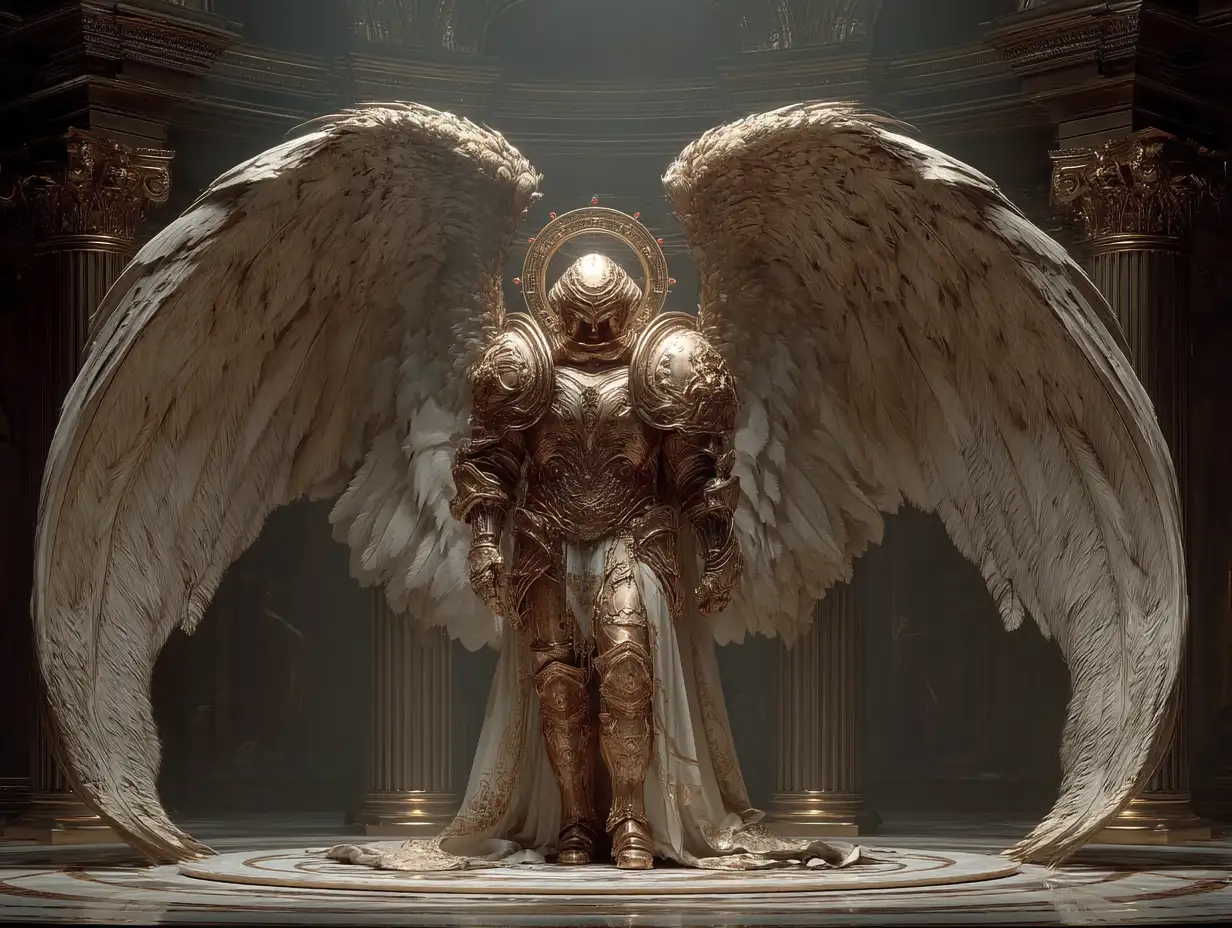
A celestial angel image can feature stars, clouds, and a vast sky, while a classical angel portrait may use muted colors, graceful lines, and a traditional painted appearance. For fantasy storytelling, a winged figure with silver armor or elaborate garments can suggest courage and responsibility. When creating these variations, decide whether the image is intended as religious art, historical-inspired art, or fictional fantasy. That distinction helps guide the symbols and avoids misleading viewers about the image’s purpose.
Understanding Wings, Halos, and Light
Wings are among the most recognizable features in popular angel imagery. They can create a sense of flight, grandeur, or otherworldly presence. For realistic-looking results, describe the number of wings, their arrangement, the feather texture, and the way they interact with the light. AI tools sometimes generate inconsistent feather patterns or wings that do not attach naturally to the body, so careful review is important.
Halos are circular forms often used in Christian art to distinguish holy figures. A subtle halo can make an image feel traditional, while an intense glowing ring can create a fantasy aesthetic. Light can be used more broadly through sunrise, rays breaking through clouds, or soft illumination around the subject. The amount of glow should match the intended mood. Excessive effects can obscure the face and make the image appear less refined.
Exploring Angels Across Religious and Cultural Traditions
Angels have different roles in Judaism, Christianity, Islam, and other cultural or religious contexts. Even within a single tradition, interpretations can vary. For example, Islamic teachings include belief in angels, but artistic representations of religious beings are approached differently across communities. A Western fantasy image featuring a winged human figure should therefore not automatically be presented as an accurate depiction of an angel from every faith.
If you want to create artwork inspired by a specific tradition, consult reliable sources about its beliefs and artistic practices. Avoid inventing scriptural quotations or presenting fictional details as established teachings. When the image is purely imaginative, describe it honestly as fantasy art inspired by angelic themes.
Creating Respectful Religious Artwork
Religious imagery can hold deep personal meaning, so thoughtful choices matter. Consider the intended audience before combining sacred symbols, recognizable religious clothing, or figures from different traditions. A general celestial image can use clouds, stars, light, and abstract forms without claiming to represent a specific religious teaching. If a project is educational, distinguish historical facts from modern artistic interpretations.
Creators should also avoid using religious symbols merely as decorative elements when their context carries important meaning. Research can help clarify whether a particular object, garment, or gesture has a recognized role in a tradition. This extra effort can make an image more accurate and respectful.
Improving Image Quality and Composition
AI-generated images often require multiple attempts before the result looks natural. Examine the face, hands, clothing folds, feather structure, and relationship between the subject and background. If the wings appear uneven, simplify the pose or ask for a more symmetrical arrangement. If the face is hidden by bright light, request softer illumination and clearer facial details.
Composition also influences how viewers respond to the image. A centered figure can create a formal, balanced appearance, while a figure positioned to one side may leave space for a book-cover title. Use a background that supports the subject instead of competing with it. For a peaceful image, a restrained palette and soft lighting may be more effective than numerous glowing effects.
Using AI Angel Images for Creative Projects
Angel imagery can be used in fictional book covers, digital wallpapers, personal art collections, decorative prints, greeting cards, and educational articles about art history or symbolism. Choose the image dimensions according to the intended platform. A portrait format may suit a poster, while a landscape format may work better for a website banner or video thumbnail.
If the image will include text, it is often easier to generate the artwork without lettering and add the words later in a graphics editor. This gives you greater control over spelling, typography, and spacing. Before publishing, review the platform’s content rules and the generator’s terms of use.
Copyright and Commercial Considerations
Licensing rules differ between AI image services, so check whether the platform permits commercial use of the images you generate. Avoid copying an existing artist’s specific composition or reproducing copyrighted characters and protected logos. For client work or products for sale, keep records of the prompt, editing process, and relevant license terms.
Also inspect the final image for accidental text, inconsistent details, or elements that could be misunderstood. If the artwork is presented as educational or religious, label its fictional or interpretive elements clearly. Transparency helps viewers distinguish creative visualization from historical or theological fact.
Conclusion
Generating AI angel images combines visual experimentation with an opportunity to explore symbolism, religious art, and imaginative storytelling. Clear prompts, deliberate lighting, thoughtful composition, and careful editing can produce images that range from classical and peaceful to dramatic and fantastical. Learning about the traditions behind angel imagery also helps creators avoid treating different beliefs as interchangeable. By approaching the subject with both creativity and respect, you can develop distinctive angel artwork suited to personal projects, digital publishing, and decorative use.