Greek mythology has inspired artists, writers, sculptors, and storytellers for thousands of years. Its gods and goddesses are associated with the sky, sea, wisdom, love, war, agriculture, and many other aspects of the ancient Greek world. Their recognizable symbols, distinctive stories, and dramatic relationships make them fascinating subjects for AI-generated artwork.
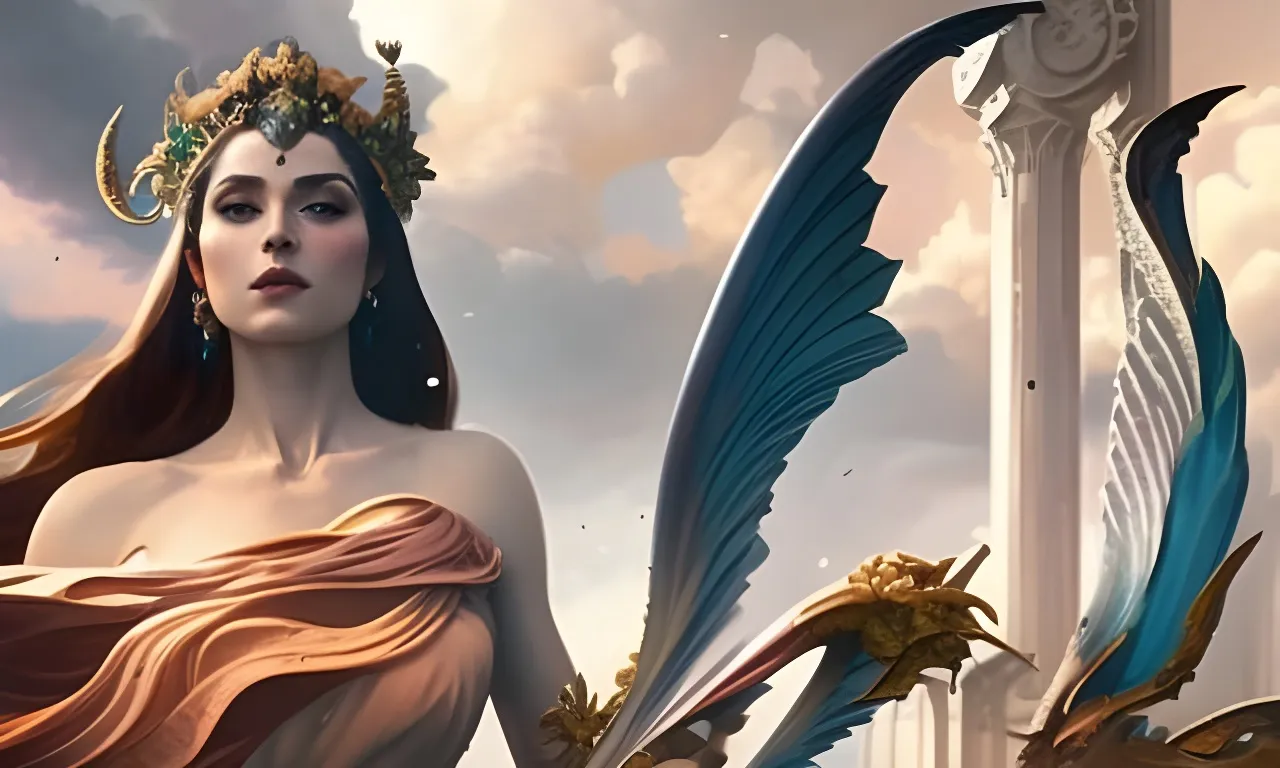
Modern AI image generators allow users to create visual interpretations of Zeus holding a thunderbolt, Athena wearing a helmet, Poseidon standing beside the sea, or Aphrodite surrounded by roses. You can experiment with ancient sculpture-inspired portraits, cinematic fantasy illustrations, historically influenced costumes, and imaginative scenes inspired by famous myths.
Creating convincing mythology art requires more than entering a deity’s name. Understanding the character’s traditional symbols, appearance, and stories helps produce more recognizable images. It also reduces the risk of confusing different gods or combining unrelated mythological details.
Understanding Greek Mythology Before Generating Images
Greek mythology consists of a large collection of stories about gods, goddesses, heroes, monsters, and the origins of the world. These stories developed across different periods and locations, so details may vary between ancient sources and later artistic interpretations.
The Olympian gods are among the best-known figures in Greek mythology. Zeus is associated with the sky and thunder, Athena with wisdom and strategic warfare, Poseidon with the sea, and Apollo with music, prophecy, and several other domains. Their familiar attributes provide useful visual clues when generating images.
Before writing a prompt, choose a specific figure and identify the elements that make the character recognizable. A lightning bolt is strongly associated with Zeus, while a trident is associated with Poseidon. Athena is frequently represented with an owl, helmet, or shield. These details help the image generator produce artwork that matches the intended subject.
Choose an AI Image Generator
Begin with an AI image-generation tool that accepts descriptive text prompts. Some tools provide free image credits, while others require subscriptions or impose limits on image size and generation frequency. Check the current usage terms before relying on a particular feature.
A useful generator should allow you to describe the character’s appearance, setting, lighting, and visual style. If you plan to produce a series of related images, it can help to use a tool that supports reference images or consistent character settings.
You do not need advanced drawing skills to get started. However, a basic understanding of composition and visual storytelling can help you recognize when an image needs refinement. Even impressive-looking AI artwork may contain incorrect hands, inconsistent armor, or details that do not match the intended myth.
How to Write an Effective Greek Mythology Prompt
A strong prompt identifies the deity, the main visual attributes, the environment, the mood, and the preferred artistic style. It should also explain what the image should avoid if there are details you do not want.
For example, a prompt for Athena might request an ancient Greek goddess wearing a bronze helmet, holding a shield, and standing beside an owl in a marble courtyard. Adding a lighting direction and a composition makes the request more specific.
Sample AI prompt
Create a detailed fantasy illustration inspired by ancient Greek mythology. Show Athena, the goddess associated with wisdom and strategic warfare, wearing historically inspired Greek armor and a bronze helmet, with an owl perched nearby. Place her in an ancient marble courtyard at sunrise. Use realistic metal textures, balanced proportions, soft golden lighting, and a dignified expression.
This type of prompt gives the generator a clear subject while leaving room for creative interpretation. If the result includes inaccurate clothing or symbols, revise the prompt and generate another version.
Greek Gods and Goddesses to Create With AI
Zeus. The King of the Olympian Gods
Zeus is widely known in Greek mythology as the ruler of Mount Olympus and a deity associated with the sky, thunder, and lightning. He is often portrayed as a mature, powerful figure with a beard, a staff, or a thunderbolt.
For AI artwork, you can show Zeus standing above storm clouds, sitting on an elaborate throne, or raising a lightning bolt over a mountainous landscape. A dramatic sky helps communicate his traditional association with thunder.
AI prompt idea
Generate a majestic fantasy portrait of Zeus inspired by ancient Greek mythology. Show a mature bearded god holding a brilliant lightning bolt, wearing flowing ancient Greek robes, standing above storm clouds with dramatic celestial lighting and detailed marble architecture.
Hera. Goddess of Marriage and Queenship
Hera is associated with marriage and queenship in Greek mythology and is frequently represented as a regal figure. The peacock is among her familiar symbolic associations in later artistic traditions.
An AI image can portray Hera wearing an ornate crown, standing beside peacock feathers, or sitting on a decorated throne. A balanced composition and rich fabrics can communicate dignity without relying on excessive fantasy armor.
AI prompt idea
Create an elegant artistic portrait of Hera, the Greek goddess associated with marriage and queenship. Give her a regal crown, flowing ancient Greek garments, and peacock-inspired decorative details. Place her in a grand marble palace with soft natural lighting.
Poseidon. God of the Sea
Poseidon is associated with the sea, earthquakes, and horses in Greek mythology. His most recognizable attribute is the trident, which can help distinguish him from other bearded gods.
A powerful image might show Poseidon rising above ocean waves, standing beside a rocky coast, or holding his trident beneath a stormy sky. Describe the movement of the water and the scale of the surrounding environment to create a more dramatic scene.
AI prompt idea
Create a cinematic mythology illustration of Poseidon standing on a rocky ocean cliff, holding a detailed three-pronged trident. Show powerful waves, sea mist, wind-blown robes, and a dramatic sky illuminated by distant sunlight.
Athena. Goddess of Wisdom and Strategic Warfare
Athena is associated with wisdom, crafts, and strategic warfare. Her common visual attributes include a helmet, shield, spear, and owl. She is often portrayed as composed and alert rather than impulsive or chaotic.
AI can depict Athena standing in an ancient city, studying a scroll, or preparing for battle. If you want the artwork to emphasize wisdom rather than combat, use a peaceful setting and a thoughtful expression.
AI prompt idea
Generate a detailed portrait of Athena wearing a bronze Greek helmet and elegant armor, holding a shield with an owl nearby. Place her in an ancient marble library with columns, warm sunlight, and a calm, intelligent expression.
Apollo. God of Music, Prophecy, and Light
Apollo is associated with music, prophecy, healing, and several other domains in Greek mythology. He is often depicted with a lyre and may be shown with imagery connected to light or laurel wreaths.
An AI image could portray Apollo playing a lyre in a sunlit temple, standing in a grove of laurel trees, or appearing as a youthful figure surrounded by warm golden light. Specify the intended mythological theme to avoid creating a generic sun deity without recognizable attributes.
AI prompt idea
Create an artistic portrait of Apollo inspired by ancient Greek sculpture. Show a youthful god holding a lyre and wearing a laurel wreath, standing in a marble courtyard with warm sunlight and classical Greek architectural details.
Artemis. Goddess of the Hunt and Wilderness
Artemis is associated with hunting, wilderness, and the protection of young creatures in Greek mythology. Her common attributes include a bow, arrows, and imagery connected with wild animals and the moon in later interpretations.
For a nature-focused scene, place Artemis in a forest surrounded by deer. A more dramatic composition might show her standing on a rocky hillside beneath a moonlit sky.
AI prompt idea
Generate a detailed fantasy illustration of Artemis, the Greek goddess associated with hunting and wilderness. Show her carrying a bow in a moonlit forest, wearing practical ancient Greek-inspired clothing, with deer in the background and soft silver light.
Aphrodite. Goddess of Love and Beauty
Aphrodite is associated with love and beauty in Greek mythology. Artistic representations vary widely, from classical sculpture-inspired portraits to elaborate fantasy scenes involving flowers, the sea, or doves.
An AI image can portray Aphrodite beside a coastal landscape, surrounded by roses, or emerging from sea foam in a scene inspired by classical art. If you prefer a modest composition, request flowing drapery and an emphasis on the surrounding environment.
AI prompt idea
Create an elegant classical-art-inspired portrait of Aphrodite, the Greek goddess associated with love and beauty. Place her beside a tranquil sea with roses and soft flowing fabrics, using gentle natural light, refined details, and a graceful composition.
Ares. God of War
Ares represents war in Greek mythology and is frequently depicted as an armed warrior. His appearance can be interpreted through ancient Greek armor, a helmet, a spear, and a dramatic battlefield environment.
Ares artwork can be energetic without becoming visually confusing. Focus on the armor, posture, and atmosphere rather than adding numerous unrelated weapons or decorative elements.
AI prompt idea
Generate a powerful fantasy portrait of Ares, the Greek god associated with war. Show him wearing ancient Greek-inspired bronze armor and a helmet, holding a spear on a rocky battlefield beneath a dramatic cloudy sky.
Hermes. Messenger of the Gods
Hermes is associated with messages, travel, trade, and boundaries. He is often represented with winged sandals, a traveler’s hat, or the caduceus, a staff with two entwined serpents.
An AI illustration could show Hermes crossing a mountain path, delivering a message to Mount Olympus, or standing beside an ancient Greek road. Clear descriptions of his winged accessories help distinguish him from other mythological characters.
AI prompt idea
Create an imaginative illustration of Hermes, the Greek messenger god, wearing a traveler’s hat and winged sandals, carrying his traditional staff. Place him on a winding path toward an ancient Greek city with bright morning light.
Hades. God of the Underworld
Hades rules the underworld in Greek mythology. Although modern entertainment often portrays him as purely evil, ancient stories present a more complex figure associated with the realm of the dead and its order.
For a mythology-inspired image, you can show Hades seated on a dark stone throne, standing beside Cerberus, or walking through a vast underground palace. A restrained palette and dramatic shadows can create atmosphere without relying on exaggerated horror imagery.
AI prompt idea
Create a dramatic mythology illustration of Hades standing in a vast ancient underworld palace. Give him dark classical robes and a dignified expression, with stone columns, subtle mist, and Cerberus resting nearby.
Creating Consistent Greek Mythology Artwork
If you are creating several images for a website, story, or social media series, consistency can make the collection feel more professional. Decide on a visual style before generating the first image. You might choose classical sculpture-inspired realism, cinematic fantasy, traditional oil painting, or detailed concept art.
Use similar lighting, image proportions, and background complexity across the series. If the generator supports reference images, use an approved character reference where appropriate. Otherwise, repeat important appearance details in each prompt and avoid changing the character’s age, clothing, or visual identity without a reason.
Generate multiple alternatives and review them before selecting a final image. AI may change a deity’s face, alter the number of fingers, or introduce symbols associated with another figure. Careful comparison and editing can improve the overall collection.
Respecting Historical and Cultural Context
Greek mythology has been interpreted in different ways across ancient literature, visual art, and modern popular culture. Not every familiar modern image reflects how a deity was represented in every historical period.
If historical accuracy is important, consult reliable educational sources about the deity and its traditional attributes. Distinguish ancient descriptions from modern fantasy interpretations, and avoid presenting imaginative additions as historically documented facts.
Also consider the intended use of your images. Check the AI platform’s current terms regarding commercial use and review any source material used as a visual reference. A generated image can be inspired by ancient mythology without needing to reproduce a specific modern artist’s work.
Conclusion
AI image generators make Greek mythology accessible to artists and enthusiasts who want to visualize the gods and goddesses of ancient stories. By choosing a specific deity, identifying traditional attributes, and writing a detailed prompt, you can create distinctive concepts inspired by Zeus, Athena, Poseidon, Aphrodite, and many others. The strongest results combine imaginative visual design with careful research and thoughtful editing. Use AI to explore different interpretations while remembering that historical accuracy, artistic judgment, and respect for the source traditions remain important.