Astrology has long been used as a symbolic way to explore relationship dynamics, communication styles, emotional needs, and personal differences. In modern astrology, comparing two natal charts is often called synastry. AI tools can make this process easier for beginners by explaining planetary placements, organizing similarities and differences, and translating unfamiliar terminology into clear language. Instead of manually searching through multiple astrology guides, users can ask an AI assistant to summarize the traditional meanings of two charts and identify themes that astrologers commonly discuss.
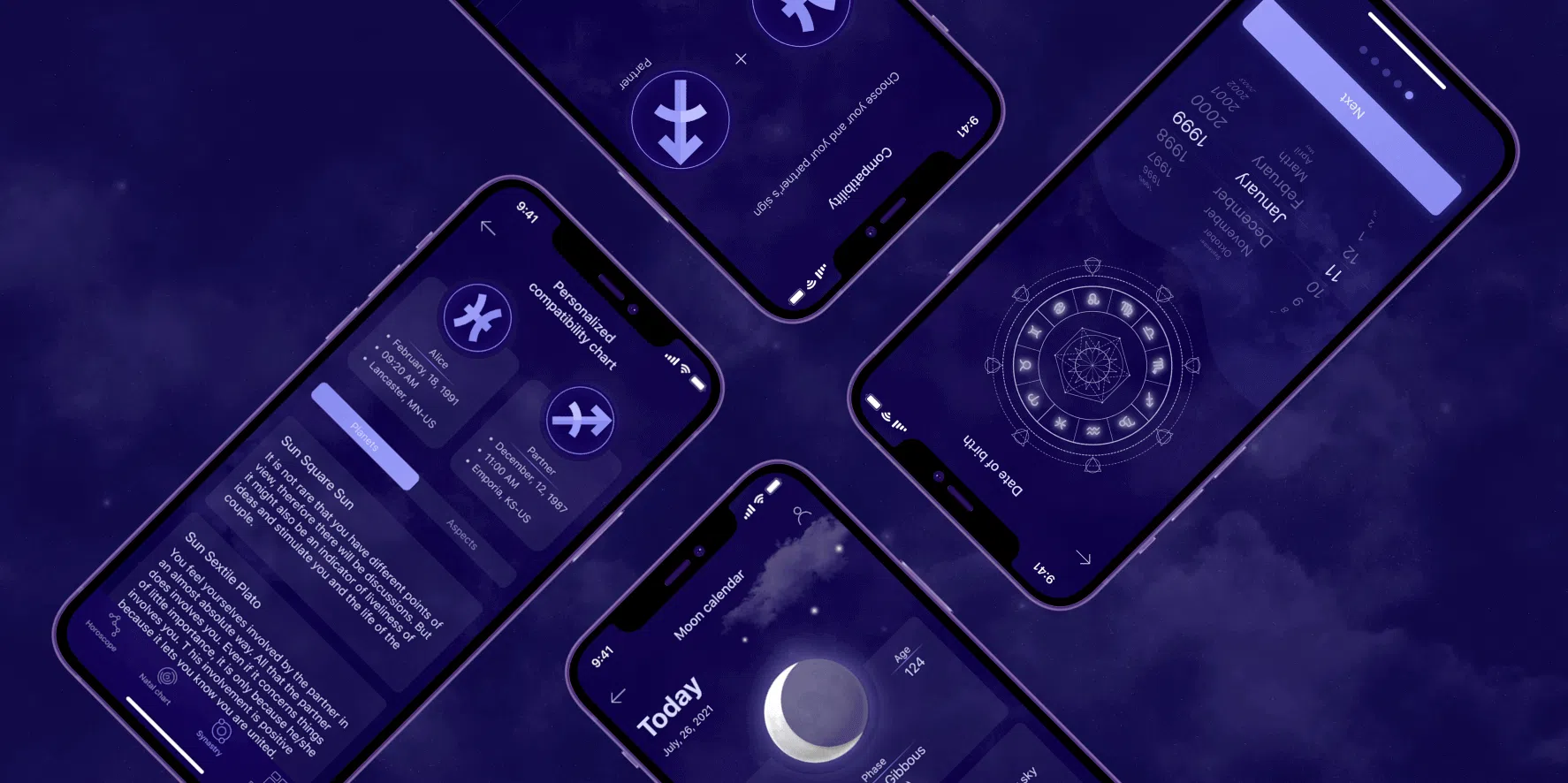
However, birth chart compatibility should not be treated as a scientifically reliable measure of relationship success. A chart cannot establish whether two people will remain together, communicate well, or build a healthy partnership. The most useful approach is to view AI-generated compatibility readings as a form of symbolic exploration rather than a verdict about a relationship.
What Is Birth Chart Compatibility
Birth chart compatibility is an astrological practice that compares two people’s natal charts to explore how their placements are traditionally interpreted in relation to one another. The comparison may include the Sun, Moon, Mercury, Venus, Mars, rising signs, and aspects between planets. Astrologers use these elements to discuss themes such as identity, emotional expression, communication, affection, and conflict.
A compatibility reading may describe certain placements as harmonious or challenging according to astrological conventions. These labels do not prove that a couple is compatible or incompatible in real life. People with different personalities can develop strong relationships through mutual respect and communication, while people who appear similar on paper may still experience difficulties.
What Is Synastry in Astrology
Synastry is the comparison of two natal charts by examining the relationships between their planetary placements. For example, an astrologer may consider the position of one person’s Venus in relation to another person’s Mars or Moon. These connections are interpreted symbolically and may be used to discuss attraction, affection, emotional responses, or areas that require understanding.
A second technique, sometimes called a composite chart, combines chart information into a separate chart intended to represent the relationship as a whole. The methods are different, so beginners should decide which approach they want to explore before asking an AI tool for a reading. Synastry is generally the more direct starting point when the goal is to compare two individual natal charts.
Gather Accurate Birth Information for Both People
A detailed comparison typically requires the birth date, birth time, and birthplace for each person. These details help a chart calculator determine planetary positions, rising signs, and houses. If either birth time is unknown, some parts of the comparison may be uncertain, especially those involving the ascendant and house placements.
Use a reliable chart calculator to generate each natal chart, then save the planetary placements in a written format. This reduces the chance that an AI assistant will misread a chart image or invent missing information. If you only have birth dates, you can still explore some broad planetary placements, but avoid treating time-sensitive details as confirmed.
Because birth information is personal, obtain the other person’s permission before sharing their details with an online service. You do not need to provide names or other identifying information for a general symbolic comparison. Use only the information necessary for the task and check the privacy practices of the tools you choose.
Which Placements Are Commonly Compared
Astrologers often begin with the Sun signs because they are familiar and easy to discuss. The Sun is traditionally associated with identity and conscious expression, so a comparison may explore how two people approach goals, recognition, or individuality.
Moon signs are commonly compared for symbolic themes involving emotional comfort and familiar habits. Venus is associated with affection, preferences, and attraction in many modern astrological interpretations, while Mars is linked with action, desire, and assertion. Mercury is often used to discuss communication and thinking styles.
Rising signs and house placements may add further context, particularly when the birth times are accurate. However, no single placement determines whether a relationship will work. A careful reading considers multiple factors and avoids turning broad symbolism into absolute judgments about either person.
Understanding Planetary Aspects Between Two Charts
In synastry, aspects describe angular relationships between planets in the two charts. Astrologers often interpret trines and sextiles as easier connections, while squares and oppositions may be discussed in relation to tension, contrast, or opportunities for adjustment. Conjunctions are interpreted according to the planets involved and the broader chart context.
An AI assistant can explain these terms in everyday language and identify which aspects appear in a supplied chart report. For example, it might describe a Mercury connection as a symbolic theme involving communication or a Moon connection as a theme involving emotional responses. The interpretation depends on the astrological tradition, and different astrologers may disagree about the importance of a particular aspect.
Ask the tool to identify the exact placements supporting each conclusion. If it cannot explain which aspect it is using, verify the chart calculations or request a more limited interpretation. This helps prevent an AI-generated reading from becoming a collection of vague or unsupported statements.
How to Use AI to Compare Two Natal Charts
First, calculate both charts with the same general settings where possible. Then provide the AI assistant with a clear list of confirmed placements or a chart comparison report. Ask it to summarize traditional interpretations under separate headings such as communication, emotional expression, affection, shared interests, and possible areas of tension.
Request balanced language that includes more than one interpretation of each connection. Rather than asking whether two people are destined to be together, ask what a traditional astrologer might explore in the charts and which real-world questions the themes could inspire. You can also ask the tool to define unfamiliar terms and explain which conclusions are uncertain because birth data is missing.
A useful prompt might request a beginner-friendly synastry overview, a short explanation of the major placements, and a clear distinction between astrological symbolism and scientific evidence. This format encourages learning instead of treating the result as a final decision about a relationship.
Interpreting Emotional Compatibility
Moon-related connections are often emphasized in astrology when discussing emotional compatibility. A reading might compare the ways two Moon signs are traditionally associated with expressing feelings, seeking comfort, or responding to change. For example, one interpretation may emphasize direct expression, while another focuses on privacy or stability.
These descriptions can provide questions for discussion, but they cannot reliably measure emotional compatibility. A healthier approach is to consider how both people actually communicate their needs, respond to stress, respect boundaries, and handle disagreements. Real conversations and consistent behavior provide more meaningful evidence than an astrological label.
Exploring Communication and Affection
Mercury placements are often used in astrology to discuss communication styles, while Venus placements are commonly associated with affection, attraction, and personal preferences. An AI comparison may describe similarities in how two people exchange ideas or differences in the ways they express appreciation.
Rather than assuming that a chart explains a disagreement, use the reading to identify practical questions. Do both people feel heard? Can they express different opinions without hostility? Do they understand each other’s preferences for attention and personal space? These questions are useful regardless of whether the people involved believe in astrology.
Understanding Challenging Compatibility Interpretations
Some astrology readings describe squares, oppositions, or certain planetary combinations as challenging. AI tools may exaggerate these descriptions by presenting them as warnings of unavoidable conflict or relationship failure. Such claims are not justified by the chart.
If a reading identifies a symbolic tension, treat it as a possible topic for reflection rather than a prediction. For example, a supposed difference in communication styles can encourage a discussion about listening and clarifying misunderstandings. No placement should be used to excuse harmful behavior, pressure someone to remain in a relationship, or label another person as inherently unsuitable.
Common AI Compatibility Mistakes
AI systems can misread chart images, confuse planetary placements, and combine incompatible astrological methods. They may also generate generic statements that sound personal without being based on the actual charts. Another risk is sharing unnecessary personal information when a simple list of planetary placements would be sufficient.
Reduce these problems by using a dedicated chart calculator, confirming the placements, and asking the AI to explain its reasoning. Avoid treating numerical compatibility scores as objective measurements of relationship quality. Such scores depend on the system’s rules and assumptions, not on a scientifically validated test of whether a relationship will succeed.
Why Real Relationships Matter More Than Chart Scores
Astrological compatibility can be entertaining or meaningful as a personal interest, but a lasting relationship depends on real-world factors. Trust, respect, honesty, shared expectations, emotional safety, communication, and the ability to work through disagreements all matter. These qualities cannot be established by comparing two natal charts.
If you use AI compatibility readings with a partner, approach them as an optional conversation starter. Discuss which descriptions feel relevant and which do not, without allowing the reading to define either person’s identity. Respect each person’s right to disagree with the interpretation.
Conclusion
AI birth chart compatibility tools can help beginners understand synastry, compare planetary placements, and explore traditional astrological ideas about communication, emotions, and affection. Accurate chart data and clear prompts improve the usefulness of the explanations, while independent checking helps prevent errors. Most importantly, compatibility readings should not be treated as scientific predictions or definitive judgments about a couple. Use astrology as an optional tool for reflection, and rely on real communication, mutual respect, and observed behavior when evaluating a relationship.