Your rising sign is one of the most discussed elements of a natal chart in astrology. It is traditionally associated with outward presentation, first impressions, and the way a person approaches unfamiliar situations. Unlike the Sun sign, which can usually be identified from a birth date alone in popular astrology, the rising sign depends strongly on the exact time and location of birth. AI birth chart tools can help beginners understand this placement by explaining its traditional meaning, describing how it interacts with other chart elements, and translating technical terms into accessible language. Learning how to use these tools carefully can make astrology easier to explore without treating its interpretations as scientifically proven facts.
What Is the Rising Sign
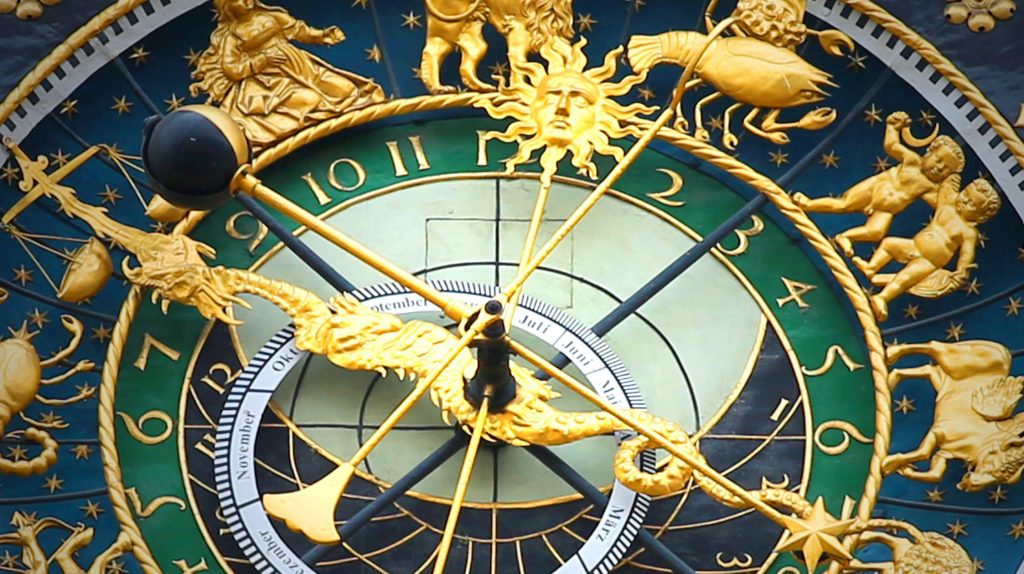
The rising sign, also known as the ascendant, is the zodiac sign appearing on the eastern horizon at the time and location represented by a birth chart. As the Earth rotates, the horizon changes, so the rising sign typically changes approximately every couple of hours, although the timing varies with location and other factors.
In traditional astrology, the ascendant is considered an important starting point for interpreting the natal chart. Astrologers often associate it with appearance, social presentation, initial reactions, and the way someone enters new environments. These are symbolic associations rather than verified measures of personality. A rising sign does not determine a person’s character or guarantee how other people will perceive them.
Why Your Exact Birth Time Matters
Accurate birth time is especially important when calculating the ascendant. Even a relatively small difference can affect the degree of the rising sign, and a larger difference may change the sign itself. The birthplace also matters because the local horizon depends on geographic location.
If your birth time is uncertain, do not assume that an AI tool can identify the correct rising sign from your personality. Some astrology services offer chart rectification methods that attempt to estimate birth time from life events, but these methods are not scientifically validated ways to establish a precise time. Whenever possible, consult a reliable birth record or use the most accurate information available and acknowledge any uncertainty.
How to Find Your Rising Sign
Start with a natal chart calculator that asks for your date of birth, birth time, and birthplace. Enter the information carefully, including the correct location and any relevant time-zone details requested by the service. The calculator should provide a chart or a written list of placements that includes the ascendant.
Save the calculated result so you can refer to it while using an AI assistant. A written entry such as rising sign followed by the sign name is often easier for an AI tool to interpret than a small chart image. If you upload an image, check that the tool reads the ascendant correctly. AI systems may misread symbols or confuse the rising sign with the Sun or Moon sign.
How AI Birth Chart Tools Explain the Ascendant
An AI birth chart tool can explain what the rising sign traditionally represents and show how astrologers interpret it alongside other placements. For example, it might describe how an astrologer interprets an earth-sign ascendant in relation to practicality or a fire-sign ascendant in relation to initiative. These are conventional symbolic associations, not proven descriptions of everyone with those placements.
You can ask the tool to explain unfamiliar terminology, provide examples, and separate the traditional interpretation from factual claims. It can also help compare two different interpretations of the same placement. However, AI may produce incorrect chart calculations or repeat oversimplified astrology stereotypes. Use a dedicated chart calculator for the underlying astronomical positions and the AI tool for explanation.
Traditional Meanings of the Twelve Rising Signs
Aries rising is often associated with directness, initiative, and an energetic approach to new situations. In astrology, this placement may be interpreted as a preference for taking action rather than waiting for others to lead.
Taurus rising is traditionally linked with steadiness, patience, and a measured approach. Astrologers may associate it with a preference for comfort, familiarity, and a consistent pace.
Gemini rising is commonly connected with curiosity, communication, and adaptability. A traditional reading may emphasize a lively interest in people, information, and new ideas.
Cancer rising is often associated with sensitivity, caution, and a strong connection to familiar environments. Some interpretations emphasize warmth and the desire to feel secure before opening up.
Leo rising is frequently linked with expressive presentation, confidence, and creativity. Astrologers may interpret it as an interest in making a memorable impression or expressing individuality.
Virgo rising is traditionally associated with observation, precision, and practical organization. A reading may emphasize attention to detail and a thoughtful approach to unfamiliar circumstances.
Libra rising is commonly linked with diplomacy, cooperation, and aesthetic awareness. Astrologers may interpret it as a tendency to consider balance and social harmony when approaching new people.
Scorpio rising is often described through themes of privacy, intensity, and perceptiveness. Within astrology, it may suggest a careful approach to trust and personal boundaries.
Sagittarius rising is traditionally associated with openness, exploration, and enthusiasm for new experiences. A reading may emphasize curiosity about different cultures, ideas, or possibilities.
Capricorn rising is often linked with responsibility, structure, and a reserved first impression. Astrologers may associate it with a practical or goal-oriented approach to new situations.
Aquarius rising is commonly connected with originality, independence, and unconventional thinking. A traditional interpretation may emphasize individuality and interest in unusual perspectives.
Pisces rising is often associated with imagination, gentleness, and sensitivity to surroundings. Some readings emphasize a flexible approach and an appreciation for creative or reflective environments.
These descriptions are general astrological interpretations. They should not be used to stereotype people or predict how someone will behave in every situation.
Understanding the Rising Sign With Your Sun and Moon Signs
Astrologers often combine the rising sign with the Sun and Moon signs to create a broader interpretation. The Sun sign is traditionally associated with identity and self-expression, the Moon sign with emotional patterns, and the ascendant with outward presentation and approach. These three placements are sometimes called the Big Three.
For example, an astrologer might interpret a person with a practical rising sign, an expressive Sun sign, and a reflective Moon sign as having different symbolic themes across public presentation, identity, and emotional comfort. This does not mean the person must display those traits. It is simply a way astrology combines separate elements into a narrative.
Ask an AI assistant to explain each placement independently before combining them. That makes it easier to understand where an interpretation comes from and to identify when the tool is making assumptions that are not supported by the chart.
Rising Signs and First Impressions
One reason people find the ascendant interesting is its traditional connection with first impressions. Astrology descriptions sometimes suggest that the rising sign influences how a person presents themselves before others know them well. However, first impressions are shaped by many factors, including culture, setting, communication style, mood, clothing, and previous experiences.
If an AI interpretation seems relevant, use it as a prompt for self-reflection rather than proof. Consider how you actually respond to new environments, how others describe your communication style, and whether your behavior changes across different situations. Direct experience provides more reliable information about your habits than a zodiac label alone.
Questions to Ask an AI Astrology Assistant
For a more useful reading, ask focused questions rather than requesting a complete prediction. You could ask the AI to explain the traditional meaning of your ascendant in plain English, compare it with your Sun and Moon signs, or describe how astrologers interpret the ruling planet of the rising sign. You can also request a short glossary of unfamiliar terms and ask the tool to identify any missing information.
Avoid prompts that ask the AI to diagnose your personality, guarantee future events, or make major life decisions based solely on the chart. If the answer includes a specific planetary placement, verify that it matches your chart report. Clear questions and independent checking help reduce errors.
Common Mistakes When Interpreting the Rising Sign
The most common mistake is using an inaccurate birth time. Another is confusing the ascendant with the Sun sign or assuming that the rising sign alone explains a person’s entire personality. Some AI tools also mix different astrological traditions without explaining the differences.
To avoid these issues, calculate your chart with a consistent method, record the ascendant clearly, and ask the AI to explain the interpretation rather than guess missing data. Remember that astrology is a belief-based interpretive practice and does not provide scientifically reliable predictions about personal outcomes.
Conclusion
Understanding your rising sign can help you learn how natal charts are structured and why astrologers distinguish between the Sun, Moon, and ascendant. An AI birth chart tool can simplify terminology, summarize traditional interpretations, and help you explore connections between placements. Accurate birth information remains essential, and uncertain results should be treated cautiously. By checking the chart data and viewing interpretations as symbolic rather than scientific facts, you can use AI as a practical learning aid while maintaining a balanced perspective.